

How a shift in the US Congress majority could change the 'Golden Dome' missile defense project
The White House has requested over $17 billion for the 'Golden Dome,' while preliminary budget drafts allocate only a portion of the amount. The new Congress may revisit plans for intercepting missiles in orbit shortly after launch.
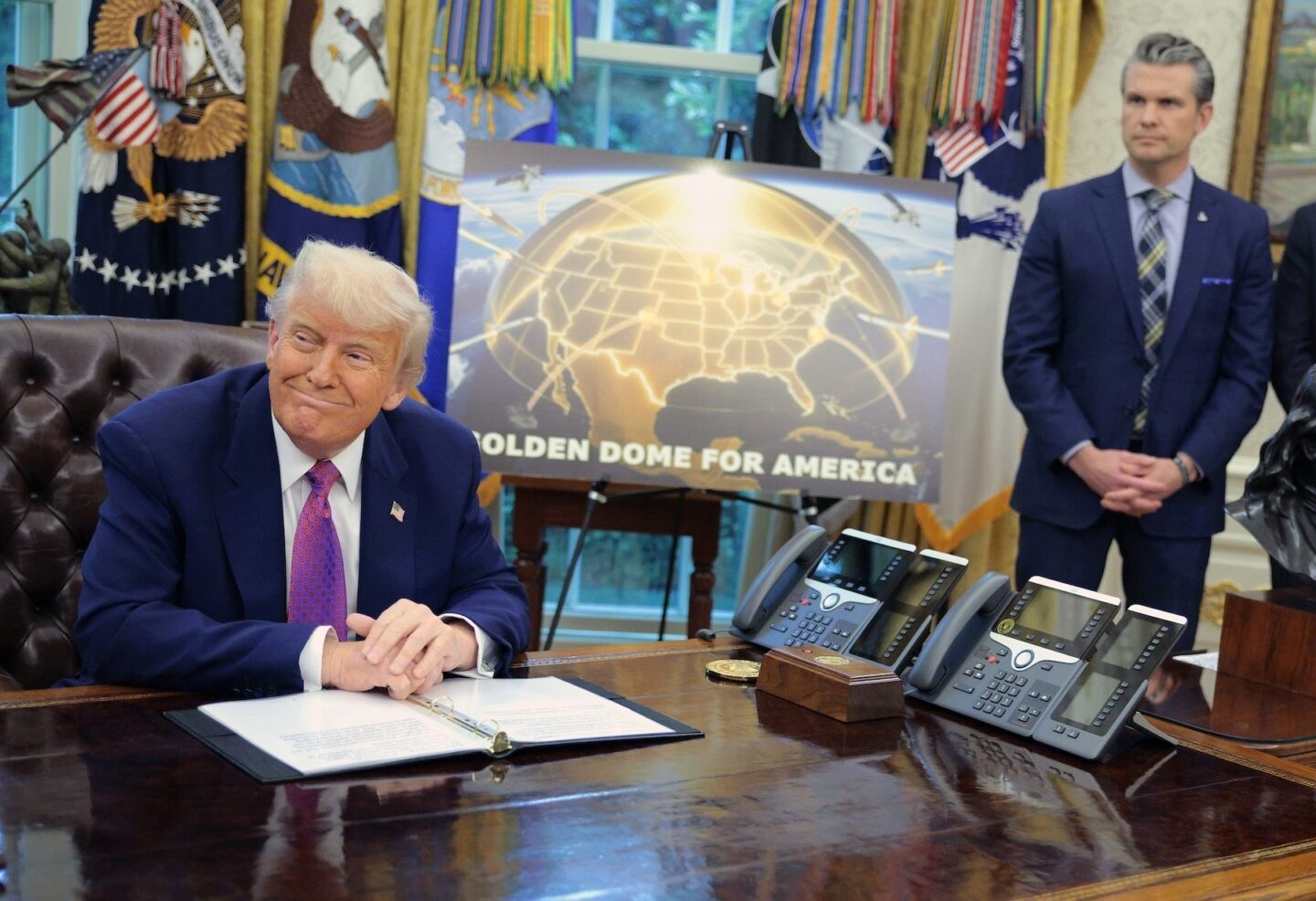
Following the US midterm elections, Democrats will secure a majority in both chambers of Congress. Ars Technica interviewed current and former officials and industry representatives about how this could impact the 'Golden Dome'—a missile defense program announced by Donald Trump in January 2025. According to the publication's sources, Congress may reassess the project's scale and funding levels.
The 'Golden Dome' integrates several components, including satellites and radars for launch detection, ground-based interceptors, and advanced orbital interceptors. Some detection systems and ground-based interception capabilities are already operational or were developed under previous administrations.
In 2025, Congress approved a one-time allocation of approximately $24 billion for the program. The temporary budget currently funding the US government extends standard defense expenditures but does not renew this allocation. Preliminary funding drafts for the 2027 fiscal year include only a portion of the amount requested by the White House. The final budget parameters are yet to be agreed upon.
The most contentious element of the program is the interception of missiles in orbit during the boost phase, shortly after launch. As a former military specialist in space systems explained to Ars Technica, the time available for target detection and interception decisions could be less than a minute. The interceptor would also need to distinguish the missile against the Earth's background, where clouds and surface details complicate observation.
Program director General Michael Guetlein stated at April hearings that the decision on mass production would depend on cost and the ability to deploy such interceptors in sufficient numbers. Democratic Senator Mark Kelly supported the development of launch detection capabilities but questioned the feasibility of large-scale spending on orbital interception.
The Pentagon aims to deploy an initial version of the 'Golden Dome' by the end of 2028. A significant portion of the project is classified, making it difficult to assess the feasibility of this timeline based on publicly available data. Ars Technica's sources suggest that Congress may retain work on target detection and tracking while separately reviewing space-based interceptors. Among the discussed options is even renaming the program.