

Uzbekistan's Central Bank warns that electricity disruptions may slow inflation decline
Uzbekistan's Central Bank noted in its draft monetary policy for 2027–2029 that the increase in power plant capacity has not eliminated network wear, outages, and electricity losses.
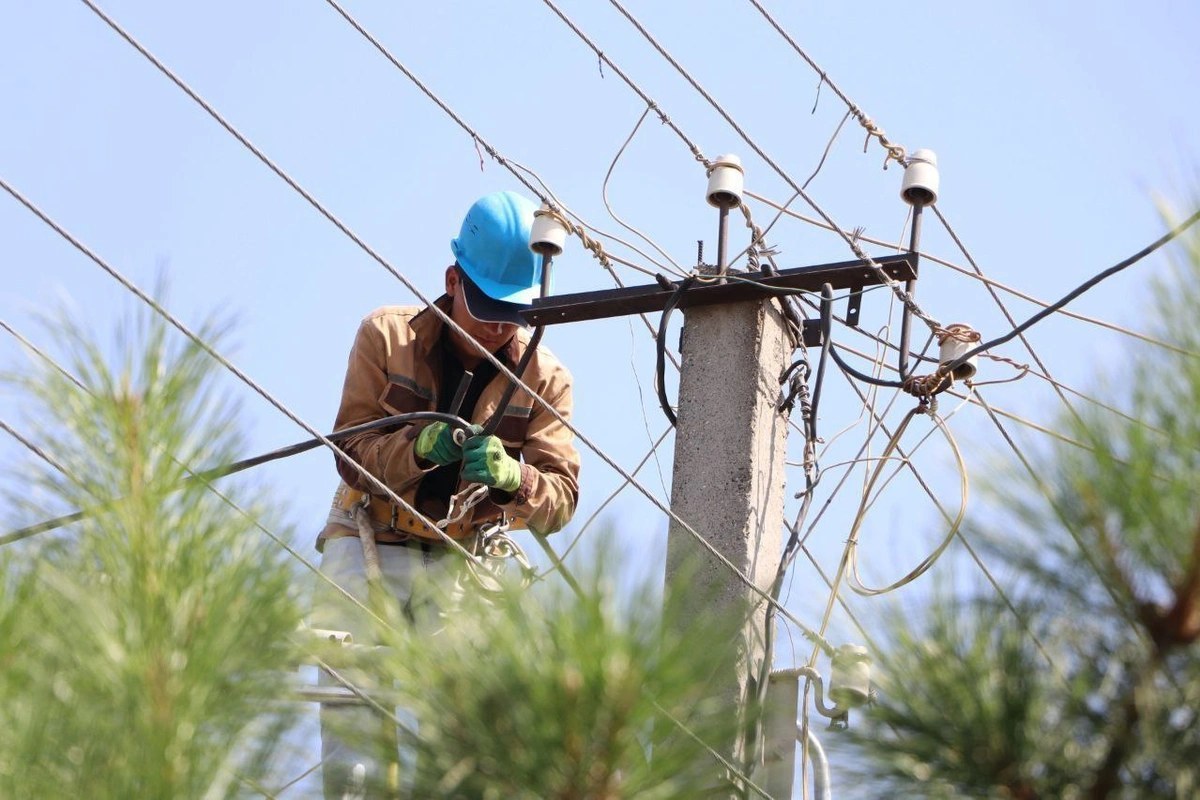
In Tashkent, the Central Bank of Uzbekistan linked the development of the energy sector to the need for modernizing power transmission lines, substations, and distribution infrastructure. According to the regulator, the installed capacity of power plants increased by 50% over the period under review, but worn-out networks prevent the full utilization of new generating facilities.
In June and July alone, around 4,000 accidents occurred in the electrical grids. In some regions, residents and businesses were left without electricity for 8–10 hours, and electricity losses reached 17.2%. The situation is also affected by limitations in network capacity and increased load, which were not always considered during infrastructure planning.
The Central Bank believes that reliable energy supply will help enterprises operate more stably, reduce production costs, and ease pressure on prices. Conversely, disruptions lead to production halts and expenses on backup energy sources. The regulator notes that tariffs should approach an economically justified level, but this increase must be accompanied by improved service quality and reduced technological losses.
According to the World Bank, approximately 3 billion dollars will be required for the modernization and expansion of distribution networks. The country is already implementing programs to upgrade lines and substations with the participation of international financial organizations. The Central Bank also indicates that recurring outages and price increases following tariff hikes may necessitate a longer period of tight monetary policy.