

Sarmyshsay Petroglyphs May Be Included in UNESCO World Heritage List
Uzbekistan discussed the preparation of the nomination dossier for the Sarmyshsay petroglyphs in Navoi Region with international experts for inclusion in the UNESCO World Heritage List.
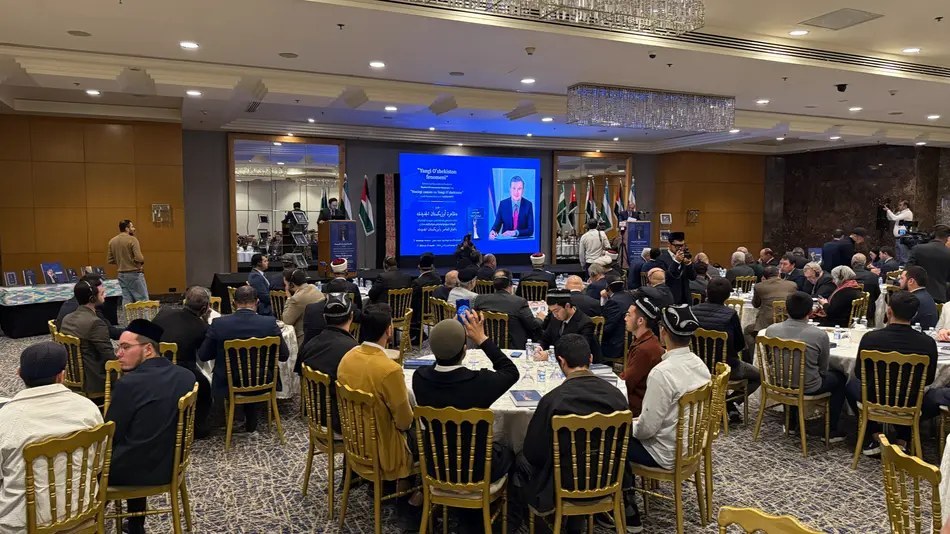
On November 15 in Paris, the Permanent Delegation of Uzbekistan to UNESCO held an online meeting on the preparation of the nomination dossier "Sarmyshsay Petroglyphs." Participants included representatives of Uzbek authorities and Professor of Archaeology at the University of Western Australia, President of the International Scientific Committee on Rock Art of ICOMOS, Benjamin Smith.
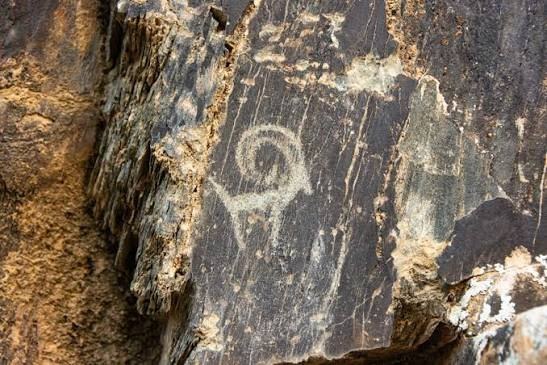
Sarmyshsay is considered one of the most renowned rock art sites in Uzbekistan. Its petroglyphs date back to various historical periods and hold significant value for studying the heritage of Central Asia.
Participants discussed the possibility of presenting the site as a mixed nomination, taking into account the cultural value of the rock carvings and the natural features of the territory. Smith highlighted the historical and cultural potential of the site and the importance of research already conducted. However, additional studies of the area's natural characteristics will be required to justify a mixed nomination.
The meeting also addressed the requirements of the UNESCO World Heritage Convention, including comparative analysis with other sites, boundaries and buffer zones, a management plan, and long-term conservation measures for the petroglyphs. The parties agreed to exchange scientific materials, conduct further consultations, and continue preparing the dossier in line with expert recommendations.
Previously, 4.2 billion Uzbek sums were allocated from the state budget for the tourist and protective infrastructure of Sarmyshsay. These funds were used to develop two entrances, information centers, and a 2.5-kilometer pathway to the petroglyphs, as well as to install shelters, lighting, and video surveillance. An additional 1.2 billion sums were allocated for a visitor center and a control point.