

IMF Supports Further Increase in Energy Tariffs
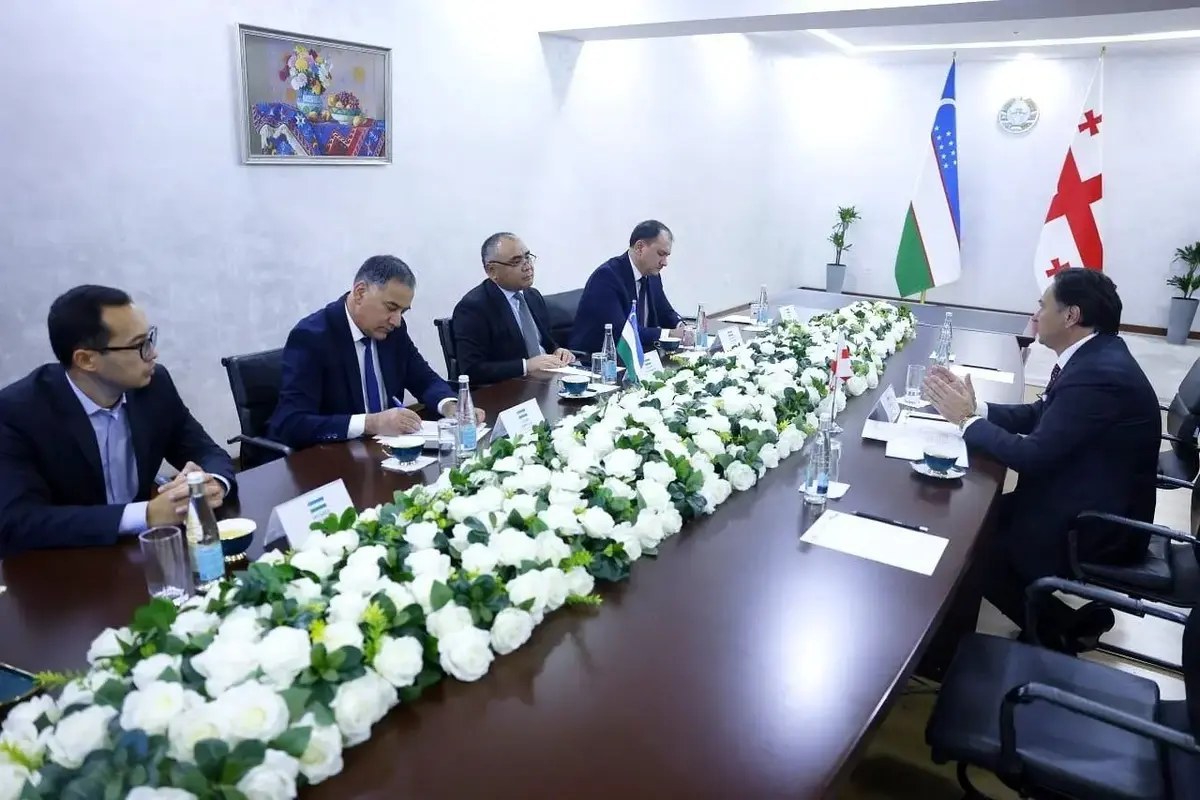
IMF Permanent Representative Koba Gvenetadze has supported further tariff increases in Uzbekistan. From November 15, liquefied gas prices will rise, with compensation promised for vulnerable groups.
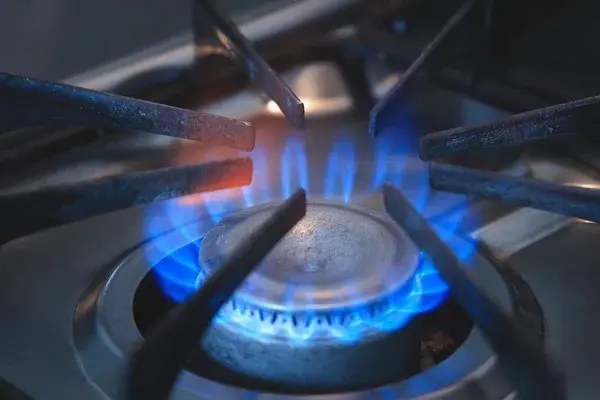
According to the Fund's assessment, utility and energy tariffs should gradually approach cost-recovery levels. Currently, they still do not cover the expenses of providing these services.
Gvenetadze noted that the tariff reform has become one of the factors slowing the reduction of inflation to the Central Bank's target level. Initially, the price increases affected enterprises, and subsequently, the population. The IMF believes that maintaining low tariffs could stimulate excessive energy consumption and increase budget expenditures on energy subsidies.
According to the Fund's representative, prices for liquefied gas will also rise from November 15. Necessary measures will be provided for vulnerable population groups to compensate for the impact of the increase.
Deputy Chairman of the Central Bank Nodirbek Achilov stated that state support should be targeted and time-limited. In his words, subsidies provided by the Ministry of Economy and Finance or the Ministry of Energy should be intended for clearly defined recipient categories and have an expiration date.
The Central Bank cannot eliminate the direct impact of tariff increases on prices but monitors their secondary effects—changes in inflation expectations, wages, and the cost of other goods and services. To contain these, the regulator maintains interest rates at a sufficiently high level.
A study included in the IMF's inflation report states that in countries with high fuel subsidies, the impact of supply shocks on inflation is roughly half as strong. However, three years after such a shock, the primary budget balance there noticeably deteriorates.