

Turkish Expert Assesses Uzbekistan's Climate Reforms and Regional Policy
Chairman of ANKASAM Mehmet Seyfettin Erol linked President Shavkat Mirziyoyev's participation in COP31 to Uzbekistan's expanding role in climate policy.
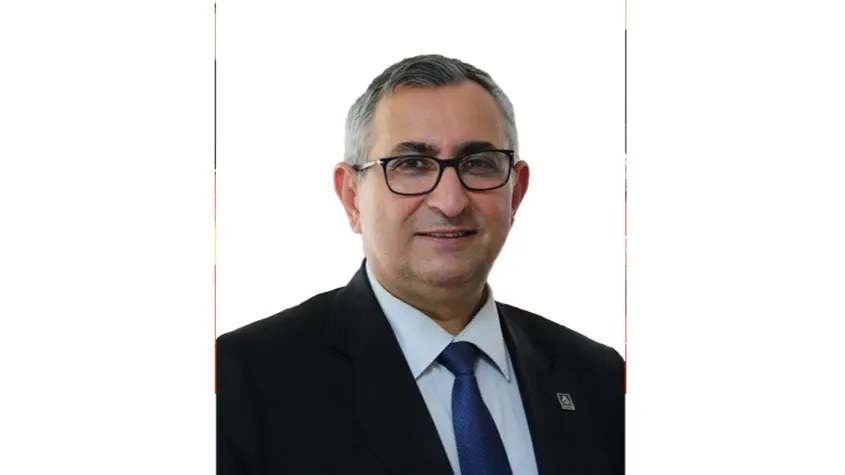
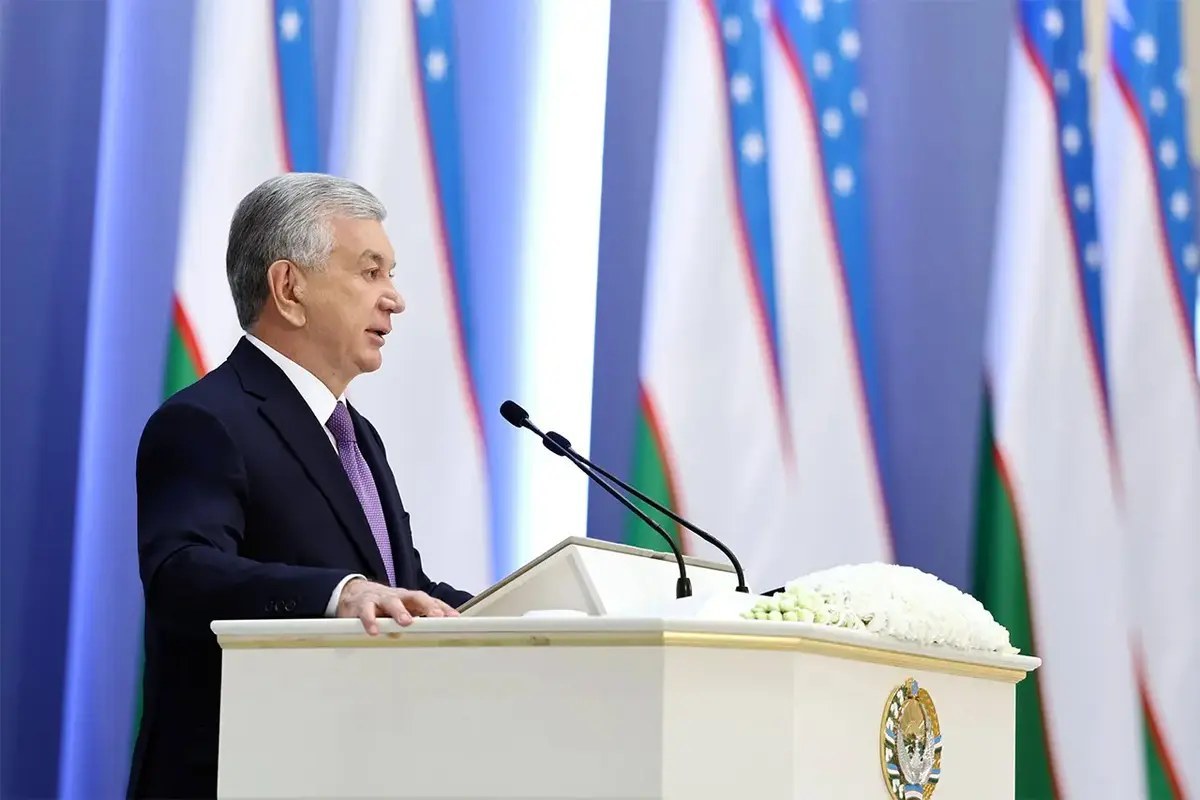
In Ankara on November 15, the Chairman of the Ankara Center for Crisis and Policy Studies (ANKASAM), Mehmet Seyfettin Erol, commented on the participation of the President of Uzbekistan on November 10–11 in the COP31 World Leaders Summit in Antalya. In his assessment, the country combines domestic environmental reforms, regional cooperation, and international initiatives.
One of the key areas, according to the expert, is the restoration of the Aral Sea region. Saxaul is being planted on the dried seabed of the Aral Sea to curb salt and dust storms and mitigate the consequences of the ecological disaster. Simultaneously, Uzbekistan is developing solar and wind energy with the involvement of foreign investments.
New power plants in Navoi, Samarkand, and Bukhara regions, as stated by Erol, are modernizing the energy infrastructure, reducing dependence on traditional fuels, and strengthening export potential. Environmental sustainability is considered within the framework of the "New Uzbekistan" concept as part of economic modernization and investment attraction.
The expert separately highlighted Tashkent's regional diplomacy. In his assessment, the approach, which he refers to as the "Mirziyoyev Doctrine," involves joint solutions to Central Asia's environmental problems, including water resource management and climate change adaptation.
COP31, held in Turkey, provided Uzbekistan with an opportunity to present its experience in combating drought, managing ecological crises, and implementing sustainable agricultural technologies, as well as to expand contacts with investors and international financial institutions. In the long term, the development of renewable energy may create conditions for exporting clean electricity to Europe via the Caspian Sea and the Caucasus, as well as to Asian markets. This is the expert's opinion, not an announced project.