

Tajikistan has significantly reduced new HIV cases since 2010 — UNAIDS
UNAIDS Regional Advisor Vera Ilyenkova reported that Tajikistan has substantially reduced the number of new HIV cases since 2010. Exact figures were not provided.
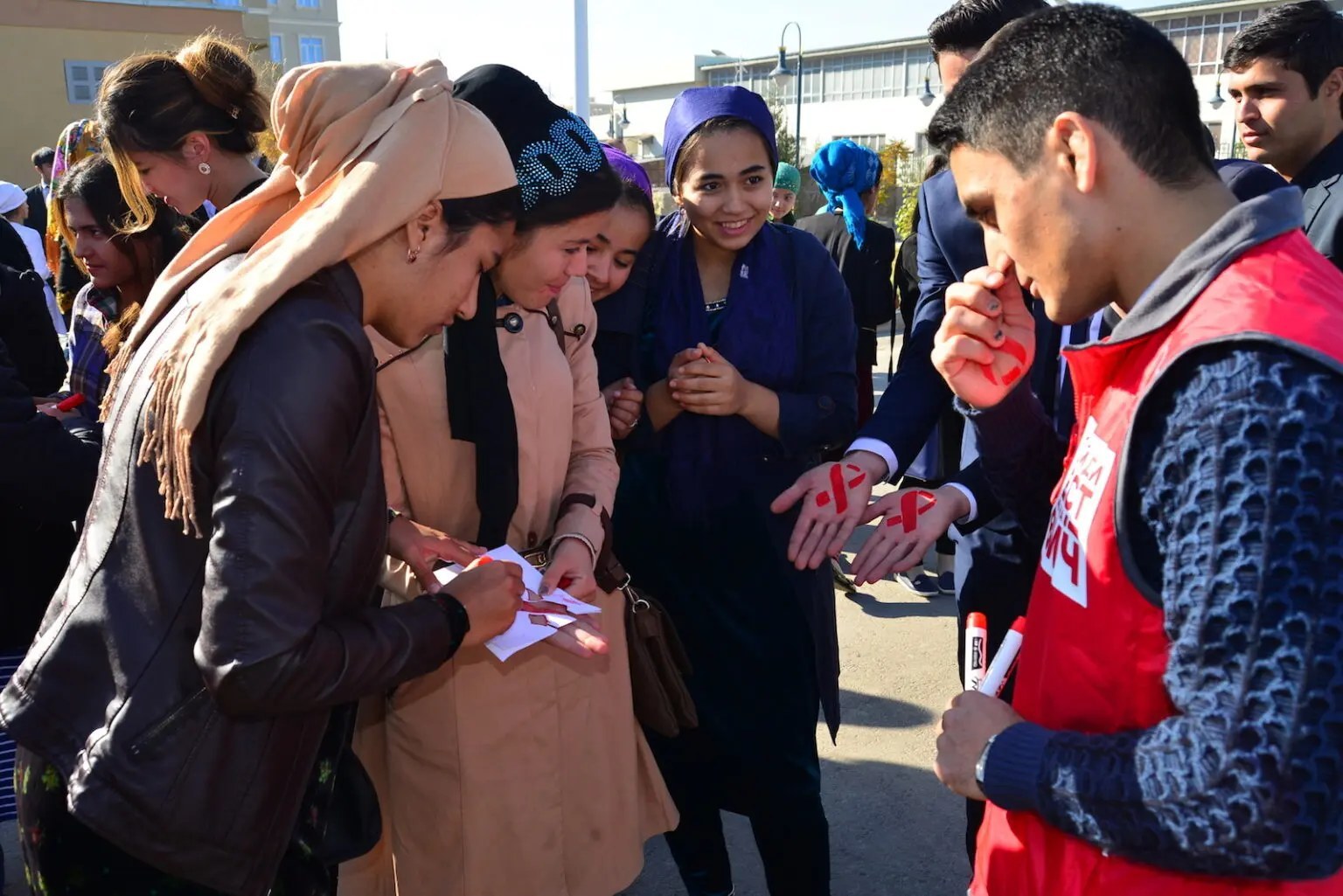
A similar trend is observed in Azerbaijan and Georgia. In contrast, the number of new cases has increased in Armenia, Kyrgyzstan, and Montenegro, Ilyenkova told the UN News Service.
Globally, compared to 2010, the number of new HIV cases has decreased by 42%, while AIDS-related deaths have fallen by 57%. In Eastern Europe and Central Asia, however, these figures have risen by 17% and 11%, respectively. In 2025, the estimated number of new cases in the region reached 120,000, with approximately 43,000 people dying from AIDS-related illnesses.
International funding for HIV programs in the region decreased in 2025 from $264 million to $196 million, a 26% reduction. In Tajikistan, two community-based support centers closed, reducing access to testing, counseling, and prevention services.
In the region, 83% of people living with HIV are aware of their status, while 56% receive treatment. Only 48% have achieved suppressed viral loads; around 560,000 people know their diagnosis but are not receiving treatment. The cost of a year’s course of antiretroviral therapy varies significantly: in Kazakhstan, it reaches $382, while in Armenia, it is $46.